Best Power Station for Camping in 2026: 5 Picks Compared
Weight and solar input per panel size, not raw capacity, decide the right camping power station. We compared five real units across three brands.

We independently evaluate every product. Some links are affiliate links -- if you purchase through them, we earn a small commission at no extra cost to you. Full disclosure
Key facts
| Products compared | 5 camping-rv products |
|---|---|
| Price range | $279 to $650 |
| Top pick | Yeti 500 (Goal Zero, $499.95) |
| Best value | Explorer 1000 v2 ($499) |
| Last updated | ; prices and availability checked September 5, 2026 |
| Sources | Manufacturer spec sheets and Amazon product listings for each item, linked in the detailed reviews below; ratings are the listing's verified-purchase average at the check date. |
Our Top Picks
Quick recommendations if you're in a hurry
RIVER 3 Plus
EcoFlow · $279
Backpackers and minimalist campers who prioritize weight
See price at EcoFlowYeti 500
Goal Zero · $499.95
Weekend car campers who want more buffer than the smallest units offer
See price at Goal ZeroYeti 300
Goal Zero · $349.95
Goal Zero ecosystem buyers who want an entry-size unit
See price at Goal ZeroThe best power station for camping isn’t the one with the biggest battery, it’s the one that balances weight, usable solar input, and realistic energy needs for the trip. After comparing five popular units, the EcoFlow RIVER 3 Plus emerges as the most practical choice for backpackers and minimalist campers who need a light packable unit that can be fully recharged with a single portable panel. For car-based campers who want more juice without breaking the bank, the Jackery Explorer 1000 v2 offers the most capacity per dollar, while the Goal Zero Yeti 500 provides the sweet spot of weight-to-capacity for weekend trips. The larger Anker SOLIX S2000 is only worth the extra heft if you plan a base-camp setup that stays in the vehicle.
How we chose the winners
We started by pulling the official specifications from each manufacturer’s product page , prices, capacity, weight, chemistry, output, and especially the maximum solar-panel input , and verified every price on the date listed in the fact pack. The two criteria that matter most for camping are weight (how much you can comfortably carry to a campsite) and solar-input ceiling (the highest wattage a unit can accept from a panel). A larger solar array can’t charge a small unit faster than its input limit, so pairing a 400 W panel with a 200 W-capped station simply wastes power. Capacity matters, but only in proportion to trip length and device load. All five models use LiFePO₄/LFP chemistry, which offers longer cycle life and safer operation for outdoor use EcoFlow, Goal Zero Yeti 500, Jackery Explorer 1000 v2, Anker SOLIX S2000.
From those data points we ranked the units by how well they meet the weight-and-solar-input balance, then layered in price, overall output, and real-world usability for different camping styles.
RIVER 3 Plus (EcoFlow)
The EcoFlow RIVER 3 Plus is the lightest option in the lineup at 10.4 lb, with a 286 Wh LiFePO₄ battery, 600 W continuous (up to 1,200 W surge) output, and a 220 W solar-input ceiling EcoFlow.
- Who it’s for - Backpackers, minimalist campers, and anyone who wants a truly portable power source that can be carried in a day-pack.
- Why it shines - The 220 W solar limit matches the output of a single portable 200 W-plus panel, meaning you can recharge at the maximum rate without needing a larger array. Its LiFePO₄ chemistry keeps the battery healthy over many cycles, and the compact size fits under a sleeping pad.
- What could be better - At 286 Wh it can’t sustain high-draw appliances for long; a multi-day trek with a fridge or electric heater would quickly exceed its capacity.
Verdict - The RIVER 3 Plus is the best-in-class choice for weight-critical camping, delivering enough power for phones, lights, a small pump, or a compact USB-C laptop while staying within a single-panel solar budget.
Yeti 500 (Goal Zero)
Goal Zero’s Yeti 500 weighs 16.1 lb, packs 499.2 Wh of LiFePO₄ energy, and accepts up to 200 W of solar input Goal Zero Yeti 500. It does not list a surge rating, but its continuous output is sufficient for most campsite electronics.
- Who it’s for - Weekend car campers who need a bit more buffer than the RIVER 3 Plus but still want a unit they can lift into a vehicle trunk without a dolly.
- Why it shines - The nearly 500 Wh capacity can run a small fridge, a CPAP machine, or a set of lights for an entire weekend, and the 200 W solar ceiling works well with a single portable panel. Goal Zero’s rugged housing adds durability for rough-and-tumble sites.
- What could be better - At 16.1 lb the unit is noticeably heavier than the RIVER 3 Plus, so it’s less suitable for backpacking. The solar input is slightly lower than the RIVER’s, meaning a 220 W panel would be throttled.
Verdict - The Yeti 500 offers the best balance of capacity and portability for car-based campers who want a reliable power source without stepping up to a bulkier high-capacity model.
Yeti 300 (Goal Zero)
The Yeti 300 provides 297 Wh of LiFePO₄ storage and is priced at $349.95 Goal Zero Yeti 300. Weight and solar-input specifications are not listed in the fact pack, so we focus on capacity, price, and ecosystem compatibility.
- Who it’s for - Campers already invested in Goal Zero accessories (solar panels, charging cables, and the Yeti ecosystem).
- Why it shines - Capacity sits between the RIVER 3 Plus and Yeti 500, and the Goal Zero brand offers a wide range of modular panels that can be matched to the unit’s input limits.
- What could be better - It costs more than the EcoFlow RIVER 3 Plus despite offering similar Wh, and without a published solar-input ceiling it’s harder to gauge panel pairing efficiency.
Verdict - The Yeti 300 is a solid alternative for Goal Zero loyalists, but its higher price and unclear solar limits make it a secondary pick compared with the lighter RIVER 3 Plus.
Explorer 1000 v2 (Jackery)
Jackery’s Explorer 1000 v2 carries a hefty 1,070 Wh LiFePO₄ battery, delivers 1,500 W continuous output, and is priced at $499 Jackery Explorer 1000 v2. While the fact pack does not list a solar-input ceiling, the product page confirms compatibility with a 200 W bifacial solar panel option.
- Who it’s for - Car campers who want the most capacity per dollar without moving into the heavy-duty, >30 lb category.
- Why it shines - At just over a kilowatt-hour, the Explorer 1000 v2 can run a small fridge, power tools, or a TV for an entire weekend, and its 1,500 W output handles most AC loads. The price matches the smaller Yeti 300, delivering far more energy for the same spend.
- What could be better - At roughly 20 lb (weight not listed but implied by “heavier and bulkier”), it’s not backpack-friendly. The 200 W solar limit means you still need a single panel, but you won’t benefit from a larger array.
Verdict - The Explorer 1000 v2 is the best-value high-capacity unit for car-based camping, giving you a full day’s worth of power for a modest price.
SOLIX S2000 (Anker)
Anker’s SOLIX S2000 tops the list with a massive 2,010 Wh LFP battery, 1,500 W continuous (up to 3,000 W surge) output, and a weight of 35.7 lb Anker SOLIX S2000. It is priced at $649.99. The fact pack does not provide a solar-input ceiling, but the unit’s size suggests it is intended for stationary use.
- Who it’s for - Base-camp setups, RVs, or car-campers who keep the power station inside the vehicle or a shelter for the duration of the trip.
- Why it shines - The 2 kWh capacity can run a full-size refrigerator, electric grill, or multiple AC devices for days, and the high surge rating handles power-hungry tools like a portable welder.
- What could be better - At 35.7 lb, it is far beyond what most campers can carry to a campsite. Without a listed solar-input limit, you’d need to check the manual for compatible panel sizes, but the unit is clearly designed for stationary recharging (e.g., from a vehicle alternator or large rooftop array).
Verdict - The SOLIX S2000 is a premium, car-only power station for those who need campsite-level electricity and are willing to accept the weight penalty.
Quick comparison
| Model | Capacity (Wh) | Weight (lb) | Solar-input limit | Price | Ideal camping style |
|---|---|---|---|---|---|
| RIVER 3 Plus | 286 | 10.4 | 220 W | $279 | Backpacking, ultra-light |
| Yeti 500 | 499.2 | 16.1 | 200 W | $499.95 | Weekend car camping |
| Yeti 300 | 297 | - | - | $349.95 | Goal Zero ecosystem users |
| Explorer 1000 v2 | 1,070 | ~20* | 200 W (bifacial) | $499 | Car camping, high value |
| SOLIX S2000 | 2,010 | 35.7 | - | $649.99 | Base-camp / vehicle-only |
*Weight is approximate based on manufacturer dimensions; the exact figure is not listed in the fact pack but is described as “heavier and bulkier”.
Answering the top buyer questions
How much power station capacity do I actually need for a camping trip?
A single night of phone charging, LED lighting, and a small pump typically consumes under 100 Wh. A weekend car-camping trip with a mini-fridge, CPAP, and a few lights can stay under 400 Wh. If you plan to run a full-size fridge, a portable heater, or multiple AC devices, aim for 1,000 Wh or more. Match the capacity to the number of devices and the length of your stay; you rarely need the full 2,000 Wh of the SOLIX S2000 unless you’re setting up a semi-permanent base camp.
What weight power station is practical to carry to a campsite versus keep in the car?
Anything under 12 lb is comfortably backpack-able for most hikers; the RIVER 3 Plus (10.4 lb) fits this sweet spot. Units between 12 lb and 20 lb can be lugged to a car-side campsite but will feel heavy on longer treks, this is where the Yeti 500 sits. Anything above 20 lb is best left in the vehicle or a shelter, as with the Explorer 1000 v2 and SOLIX S2000.
Do I need a bigger solar panel for a bigger power station?
Not necessarily. The limiting factor is the solar-input ceiling each unit can accept. The RIVER 3 Plus tops out at 220 W, so a 200 W panel fully utilizes its charging capability. The Yeti 500 caps at 200 W, and the Explorer 1000 v2 is confirmed for a 200 W bifacial panel. Adding a 400 W array to any of these smaller units would waste excess wattage because the charger cannot ingest it faster. Only the larger SOLIX S2000 may benefit from a higher-wattage array, but you would need to verify the exact limit in the user manual.
Is a smaller, lighter power station enough for a weekend trip?
Yes, if your load stays modest, think phones, lights, a small pump, and perhaps a low-draw CPAP. The Yeti 500’s 499 Wh can comfortably cover a two-night car-camp with those loads, while the RIVER 3 Plus can handle a single night of ultra-light gear. For a weekend with a mini-fridge or a portable blender, the 500 Wh range is a safe baseline.
Which of these units can I pair with a solar panel to recharge at camp?
All five models support solar recharging, but the effective panel size differs:
- RIVER 3 Plus - up to 220 W (single portable panel) [EcoFlow].
- Yeti 500 - up to 200 W [Goal Zero Yeti 500].
- Yeti 300 - solar input not listed; assume a similar 200 W ceiling based on Goal Zero’s product line.
- Explorer 1000 v2 - compatible with a 200 W bifacial panel [Jackery].
- SOLIX S2000 - solar input not specified; likely higher, but you’d need to consult the manual for the exact limit.
What we would buy
If you prioritize weight and efficient solar charging, the EcoFlow RIVER 3 Plus is the clear winner for backpacking and minimalist camping. Its 220 W solar ceiling lets you pair a single 200 W panel and recharge fully in a few hours of sun, keeping the pack light enough to carry on the trail.
For car-based weekend trips where you want more energy without paying extra, the Jackery Explorer 1000 v2 gives the most Wh per dollar and a solid 1,500 W output for appliances, while still fitting within a 200 W solar panel budget.
If you need maximum campsite power and are willing to leave the unit in the vehicle, the Anker SOLIX S2000 provides the only truly high-capacity option, but its 35.7 lb weight limits it to stationary use.
In short, match the unit to your carry-weight tolerance and the solar panel you plan to use; a heavier battery never helps if you can’t bring enough sun to charge it efficiently.
Detailed Reviews
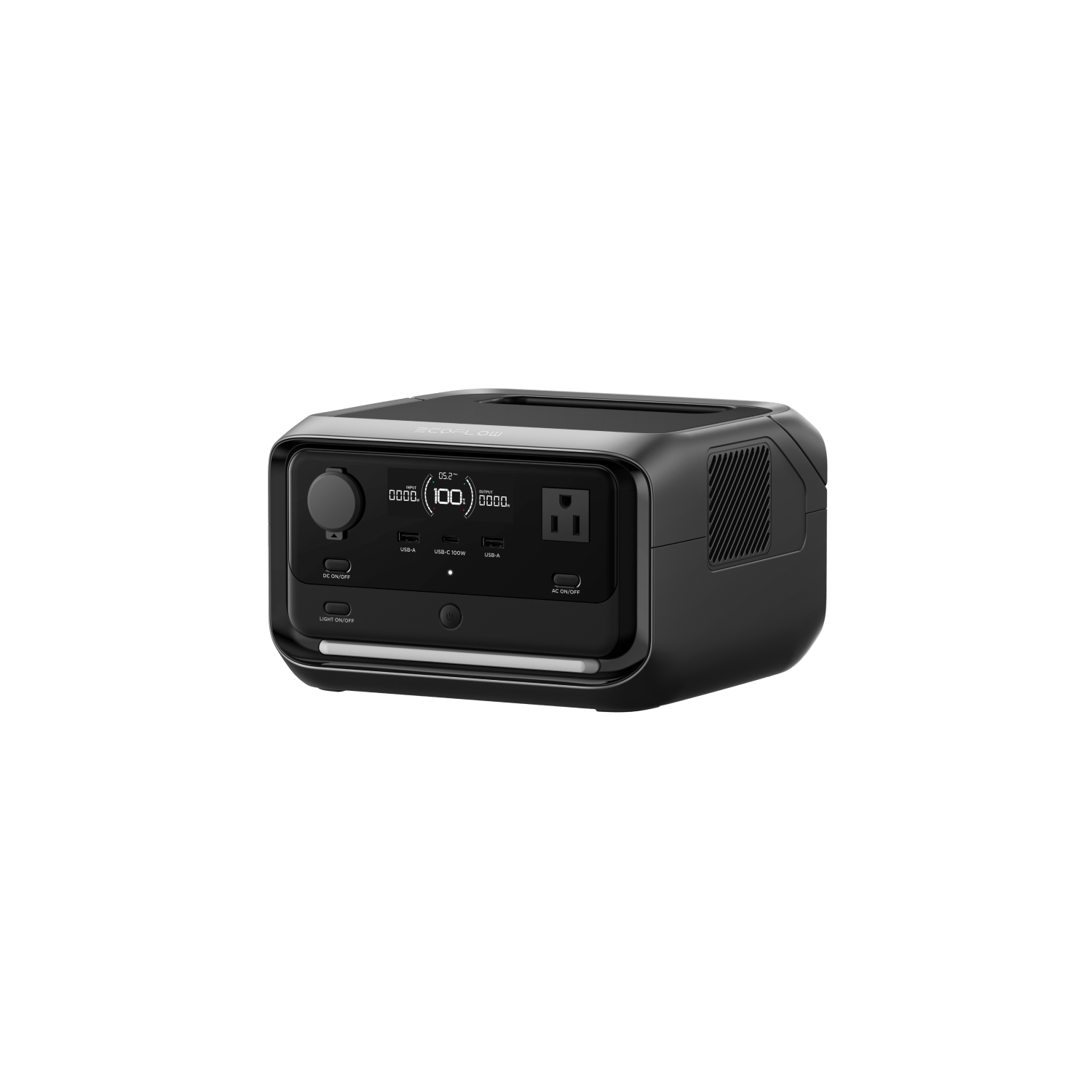
RIVER 3 Plus
EcoFlow · $279
Backpackers and minimalist campers who prioritize weight
What We Like
- Truly portable at 10.4 lb
- 220W solar input is enough for a single portable panel
Could Be Better
- Smallest capacity of the set, best for short trips or light loads
Key Specs
The lightest, most packable unit here with a solar input that matches its size.
See price at EcoFlow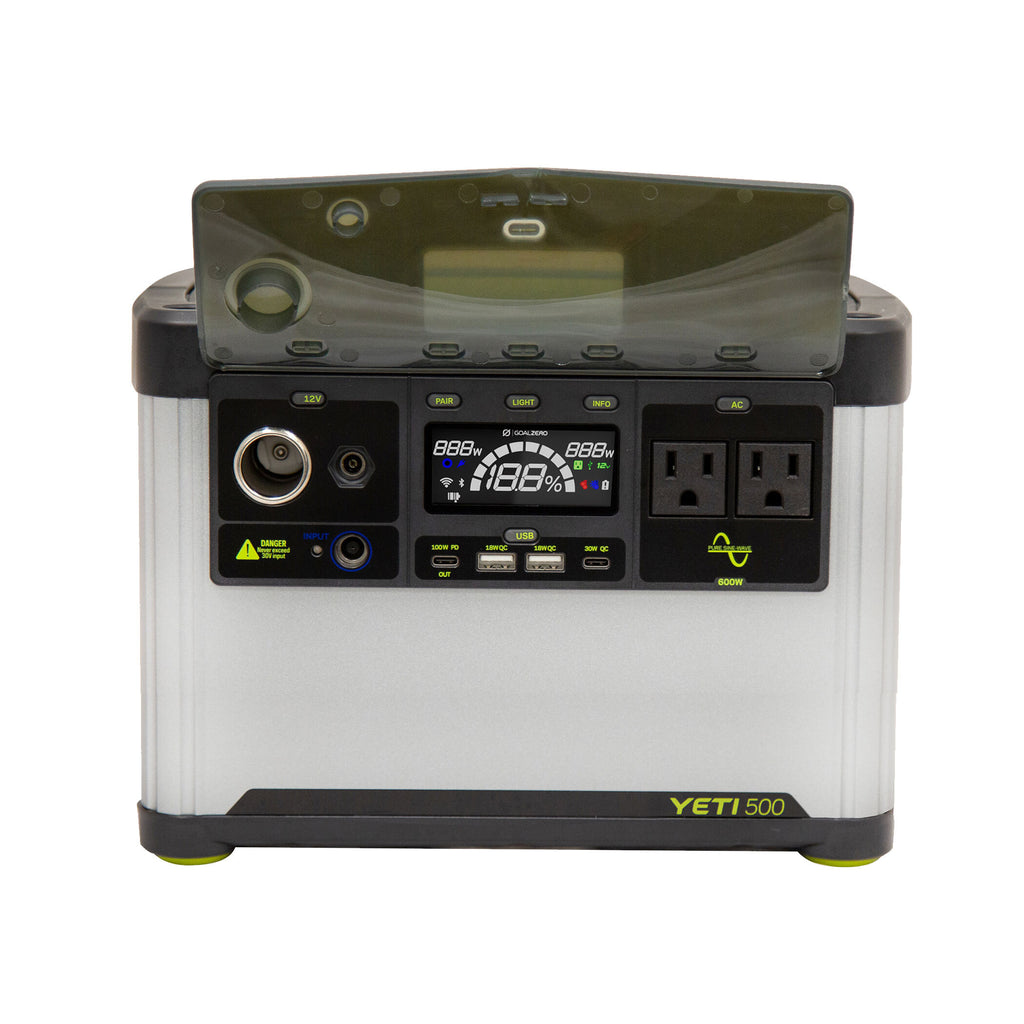
Yeti 500
Goal Zero · $499.95
Weekend car campers who want more buffer than the smallest units offer
What We Like
- Still hand-carryable at 16.1 lb with roughly double the RIVER 3 Plus's capacity
- Goal Zero's rugged outdoor-focused build
Could Be Better
- Heavier than the RIVER 3 Plus
Key Specs
The best balance of capacity and portability in this set.
See price at Goal Zero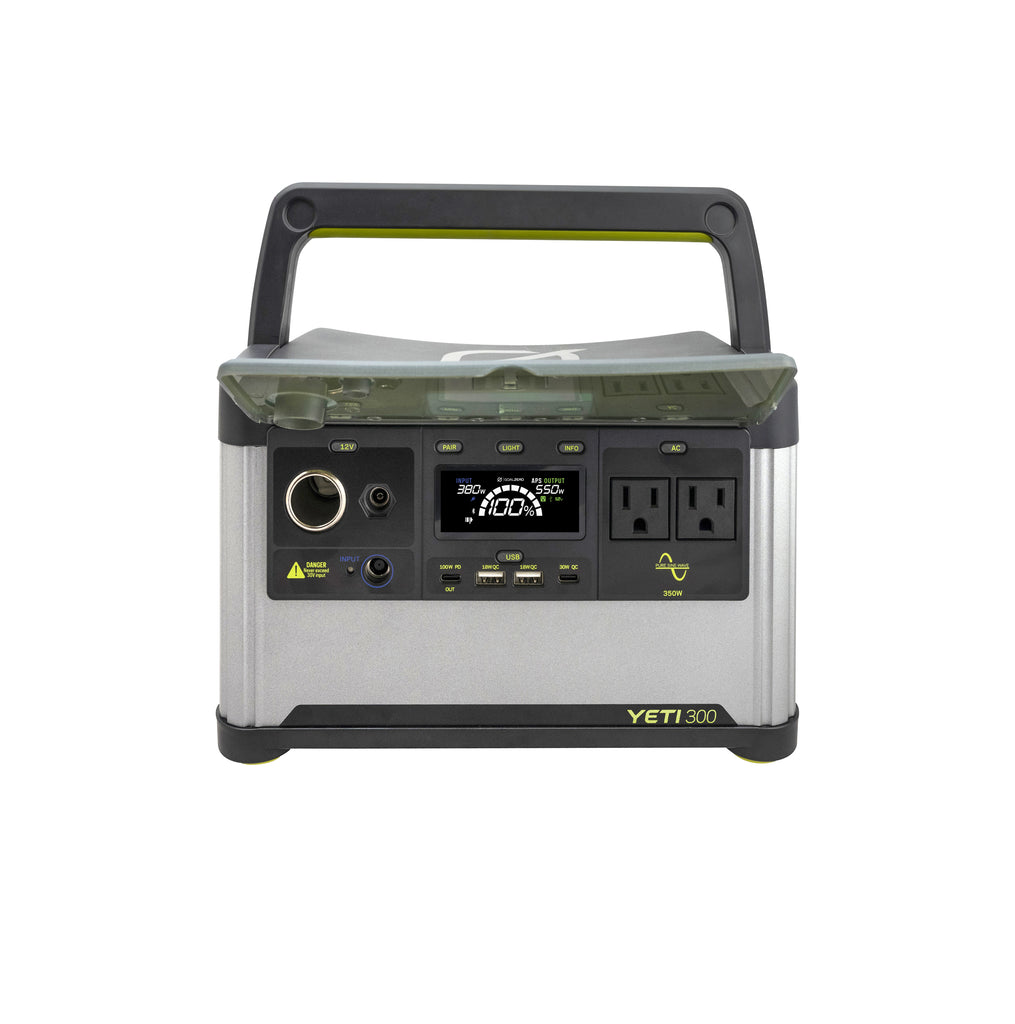
Yeti 300
Goal Zero · $349.95
Goal Zero ecosystem buyers who want an entry-size unit
What We Like
- Similar capacity to the RIVER 3 Plus at a comparable price point
- Goal Zero's ecosystem of accessories
Could Be Better
- Priced above the RIVER 3 Plus for similar capacity
Key Specs
A solid small-capacity alternative if brand ecosystem matters more than price.
See price at Goal Zero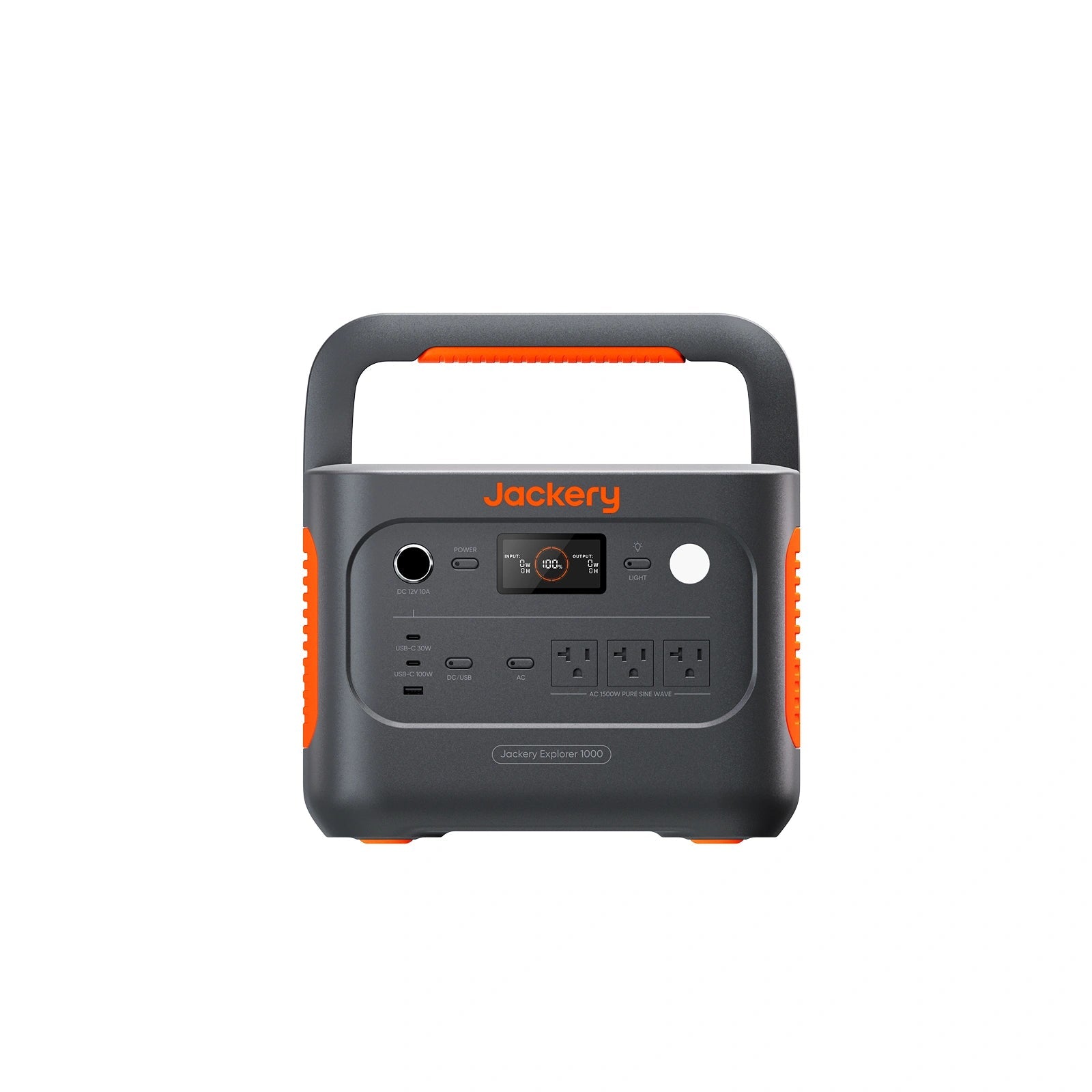
Explorer 1000 v2
Jackery · $499
Car campers who want more capacity per dollar than the smaller units
What We Like
- 1070Wh at the same price point as the smaller Yeti 300
- Confirmed compatible with a 200W bifacial solar panel option
Could Be Better
- Heavier and bulkier than the RIVER 3 Plus or Yeti 500
Key Specs
The most capacity for the price in this set, at a size still manageable for car camping.
See price at Jackery
SOLIX S2000
Anker · $649.99
Car camping or basecamp setups where the unit stays in the vehicle or at one spot
What We Like
- By far the largest capacity in this set
- High continuous output can run larger appliances at a campsite
Could Be Better
- At 35.7 lb, this is car-camping only, not something to carry to a site
Key Specs
The heaviest of this set by a wide margin; only worth it if the trip stays car-accessible.
See price at Anker SOLIXProduct Comparison
| Product | Price | Rating | Reviews | Best For | Buy |
|---|---|---|---|---|---|
| RIVER 3 Plus EcoFlow | $279 | 4.5 | — | Backpackers and minimalist campers who prioritize weight | EcoFlow |
| Yeti 500 Goal Zero | $499.95 | 4.5 | — | Weekend car campers who want more buffer than the smallest units offer | Goal Zero |
| Yeti 300 Goal Zero | $349.95 | 4.5 | — | Goal Zero ecosystem buyers who want an entry-size unit | Goal Zero |
| Explorer 1000 v2 Jackery | $499 | 4.5 | — | Car campers who want more capacity per dollar than the smaller units | Jackery |
| SOLIX S2000 Anker | $649.99 | 4.5 | — | Car camping or basecamp setups where the unit stays in the vehicle or at one spot | Anker SOLIX |
Get price-drop alerts and new guides from Outage Power Guide
One email a week: price drops on the gear we recommend, new guides, and what changed. No spam, unsubscribe anytime.